Best Smartphones for Mobile Gaming in 2026: Display, Cooling and Battery
Mobile gaming has developed into a serious segment of the smartphone market, with flagship devices now capable of running demanding titles such as Genshin Impact, Call of Duty: Warzone Mobile, PUBG Mobile and Honkai: Star Rail at high frame rates. In 2026, manufacturers are paying particular attention to three areas that directly affect gaming performance: display quality, thermal management and battery endurance. Choosing the right gaming smartphone is no longer just about having the fastest processor. A balanced combination of screen technology, cooling efficiency and long-lasting power has become equally important for players who spend several hours a day gaming on mobile devices.
Why Display Technology Matters for Mobile Gaming
The display is the component gamers interact with most frequently, making it one of the most important factors when selecting a gaming smartphone. In 2026, leading gaming-focused devices such as the ASUS ROG Phone series, RedMagic smartphones and flagship Samsung Galaxy models feature AMOLED or LTPO AMOLED panels with refresh rates ranging from 144Hz to 185Hz. Higher refresh rates create smoother animations and improve responsiveness during fast-paced gameplay.
Resolution also plays a significant role. While Full HD+ remains common among gaming devices because it balances visual quality and power consumption, some premium models now offer QHD+ displays. These screens provide sharper graphics, particularly in open-world and role-playing games where visual detail contributes to immersion and gameplay awareness.
Touch sampling rate is another specification often overlooked by casual buyers. Modern gaming smartphones frequently feature touch sampling rates between 720Hz and 2,500Hz. Faster touch response allows inputs to register more quickly, which can provide a measurable advantage in competitive shooters, racing games and battle royale titles.
Display Features That Improve Competitive Performance
Brightness has become increasingly important as more people play games outdoors or in brightly lit environments. Many flagship gaming smartphones released in 2026 can exceed 2,500 nits of peak brightness, ensuring visibility even under direct sunlight. Consistent visibility helps players react faster and identify opponents more easily.
Adaptive refresh rate technology is another valuable feature. LTPO panels dynamically adjust refresh rates based on the content being displayed. During intensive gameplay, the display can operate at maximum refresh rates, while less demanding tasks trigger lower refresh rates to conserve battery power.
Eye-comfort technologies have also improved significantly. Features such as PWM dimming, reduced blue light emission and advanced colour calibration help reduce eye strain during extended gaming sessions. For players who spend several hours gaming each day, these technologies can contribute to a more comfortable experience.
Advanced Cooling Systems in Modern Gaming Smartphones
Powerful processors generate substantial heat during demanding gaming sessions. Even the most advanced chipsets can reduce performance when temperatures become excessive. For this reason, thermal management has become a defining characteristic of premium gaming smartphones in 2026.
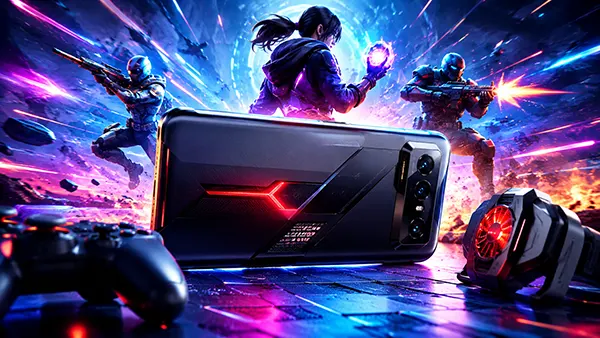
Manufacturers now use sophisticated cooling solutions that combine large vapour chambers, graphite layers and heat-dissipation materials. Devices such as the latest RedMagic models integrate active cooling systems with built-in fans designed specifically to maintain stable frame rates during prolonged gaming sessions.
Effective cooling does more than keep the device comfortable to hold. Lower temperatures help processors sustain maximum clock speeds for longer periods, reducing frame drops and performance fluctuations. This consistency becomes especially important during competitive matches where performance stability can influence results.
How Cooling Technology Affects Real Gaming Performance
Benchmark scores often attract attention, but sustained performance provides a more accurate picture of gaming capability. Smartphones equipped with advanced thermal systems can maintain higher frame rates over extended periods compared with devices that rely solely on passive cooling.
External cooling accessories have also become more popular. Several manufacturers offer magnetic cooling modules compatible with gaming smartphones. These accessories can reduce surface temperatures significantly during marathon gaming sessions and are particularly useful for players who stream gameplay simultaneously.
Software optimisation works alongside hardware cooling. Modern gaming modes intelligently allocate system resources, adjust processor behaviour and manage background applications. Combined with effective thermal solutions, these features help deliver smoother gameplay even during demanding workloads.
Battery Capacity and Charging for Long Gaming Sessions
Battery technology has advanced considerably in recent years. Many gaming smartphones released in 2026 feature batteries ranging from 6,000mAh to 7,500mAh, allowing several hours of continuous gaming without requiring a recharge. Larger batteries are particularly beneficial for users who travel frequently or participate in extended gaming sessions.
Processor efficiency also contributes to battery endurance. The latest flagship chipsets utilise advanced manufacturing processes that reduce power consumption while maintaining high performance. This efficiency allows gamers to enjoy longer sessions without sacrificing graphical settings or frame rates.
Charging speed has become another important consideration. Several gaming smartphones now support charging technologies exceeding 100W, enabling substantial battery recovery in a relatively short period. Fast charging reduces downtime and allows players to return to gaming more quickly.
Finding the Right Balance Between Power and Endurance
Battery capacity alone does not determine gaming endurance. Display settings, refresh rates, network connectivity and game optimisation all influence overall power consumption. A well-optimised smartphone with a slightly smaller battery can sometimes outperform a less efficient device equipped with a larger power cell.
Battery health management has become increasingly sophisticated. Manufacturers now implement charging algorithms designed to minimise long-term battery degradation. Features such as adaptive charging and bypass charging help maintain battery longevity while supporting intensive gaming usage.
For gamers seeking the best overall experience in 2026, the ideal smartphone combines a high-refresh-rate display, an efficient cooling system and a large battery supported by rapid charging technology. These three elements work together to create a device capable of delivering stable performance, visual quality and extended gaming sessions without compromise.