Monster Hunter Now — How to Upgrade Gear Quickly Without Endless Grinding
Monster Hunter Now brought the long-running Capcom hunting series to mobile devices with a design built around real-world movement and short hunting sessions. Since its release in 2023, the game has continued to evolve through updates, new monsters and balance changes that remained active throughout 2025 and early 2026. One of the most common frustrations for players is the feeling of getting stuck in repetitive farming when trying to upgrade weapons and armour. Progression can slow down dramatically once monsters require specific rare materials. Understanding how the upgrade system works and how to manage hunts efficiently makes a major difference. With the right approach, it is possible to improve equipment steadily without wasting hours repeating the same battles.
Understanding the Gear Progression System in Monster Hunter Now
The equipment system in Monster Hunter Now follows the familiar structure from the main Monster Hunter titles. Weapons and armour pieces are crafted using materials obtained from defeated monsters. Each item then progresses through several upgrade levels that increase attack, defence and additional bonuses. Higher upgrade tiers require rarer drops such as plates, primescales or specific monster parts that only appear at certain star levels.
A common mistake made by new players is attempting to upgrade every weapon type simultaneously. Because each monster part pool is limited, spreading materials across multiple builds quickly leads to shortages. Experienced hunters instead focus on one or two weapon types that match their preferred playstyle. Concentrating upgrades ensures that damage output increases fast enough to handle stronger monsters.
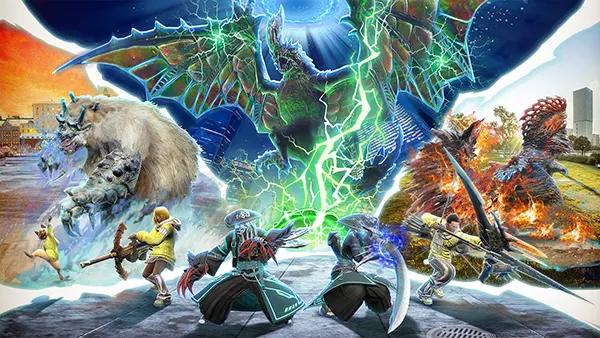
Another key mechanic is weapon element advantage. Monsters in Monster Hunter Now follow the traditional weakness system. Using a weapon with the correct element can significantly shorten fights, reducing the time spent farming. For example, lightning weapons are highly effective against Rathian, while water weapons perform well against Anjanath. Choosing the right element often matters more than raw attack numbers.
Why Many Players Get Stuck in Equipment Farming
The perception of endless grinding usually appears around the mid-game progression stage, when monsters reach five or six star difficulty. At this point, gear upgrades begin to require specific rare materials that drop infrequently. Without planning, players repeatedly hunt the same monsters hoping for random drops.
Another issue comes from inefficient hunt selection. Many players attack whatever monster appears nearby rather than targeting the creatures that actually drop the required materials. This leads to large inventories filled with unused parts while the needed item remains missing.
Finally, failing hunts wastes valuable resources such as potions and time. When gear is under-levelled or poorly matched against a monster’s weaknesses, hunts take longer and may end in defeat. Optimising equipment before attempting higher difficulty monsters prevents unnecessary repetition.
Efficient Material Farming Strategies
The most effective farming strategy is targeting monsters based on upgrade requirements rather than random encounters. Checking the forge menu before heading out helps identify exactly which parts are required for the next upgrade level. Players can then prioritise hunts that provide those materials.
Another efficient tactic is focusing on monster density areas. Parks, city centres and frequently visited locations often generate more spawn points in Monster Hunter Now. Because the game encourages movement, walking routes with multiple spawn clusters dramatically increases the number of hunts completed within a short session.
Daily quests and limited-time events also provide a steady source of upgrade materials. Capcom regularly introduces seasonal hunts and event monsters that drop bonus rewards. Participating in these events can speed up gear progression far more than standard farming.
Using Multiplayer Hunts to Speed Up Progress
Multiplayer hunts remain one of the most underused mechanics among casual players. Joining hunts with nearby hunters allows monsters to be defeated faster, especially when players bring different elemental weapons. Shorter hunts mean more encounters completed during the same play session.
Group hunts also improve survivability. In solo play, mistakes can quickly lead to failed hunts. In multiplayer, teammates can continue dealing damage even if one hunter is forced to reposition or heal. This increases overall hunt success rates.
Another benefit of multiplayer is access to monsters that may not appear frequently in a player’s immediate area. Coordinating hunts with friends or local communities expands the available monster pool, which helps when searching for rare upgrade materials.
Smart Resource Management for Faster Upgrades
Managing resources efficiently is just as important as defeating monsters. Materials should be used carefully rather than spent immediately on every possible upgrade. Saving rare parts for weapons that remain viable in later stages of the game prevents wasted resources.
Players should also pay attention to armour skills when upgrading gear. Some armour pieces provide bonuses that increase damage against certain monster types or improve survivability. Selecting armour sets that complement weapon choice allows players to defeat stronger monsters earlier.
Another overlooked mechanic is the importance of upgrading only when necessary. Sometimes a small upgrade in attack or defence does not significantly affect performance. Waiting until several upgrade levels become available before investing materials can be more efficient.
Building a Balanced Loadout Instead of Chasing Raw Power
Many players focus only on weapon attack values, assuming higher numbers automatically mean better performance. In practice, a balanced loadout usually delivers stronger results. Armour skills, elemental bonuses and defensive stats all influence hunt efficiency.
For example, a weapon with moderate attack but correct elemental damage may defeat a monster faster than a stronger non-elemental weapon. Combining this with armour skills that boost affinity or reduce damage taken creates a stable hunting setup.
Ultimately, steady progress in Monster Hunter Now comes from planning rather than repetition. Targeting specific monsters, cooperating with other hunters and investing resources carefully allows players to upgrade equipment consistently without spending endless hours farming the same encounters.