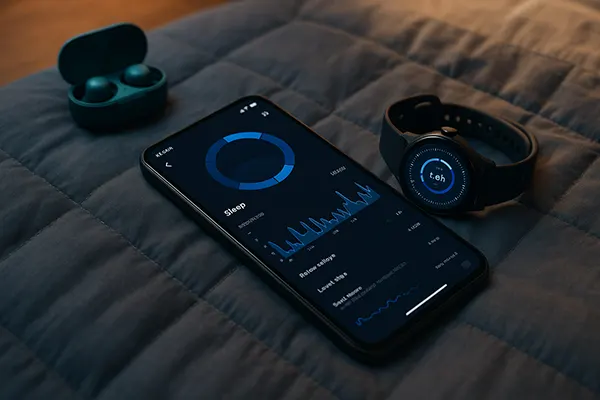
The Most Effective Mobile Sleep-Monitoring Apps with Near-Medical Accuracy in 2025
Advances in wearable technologies and sensor-driven algorithms have transformed how people track sleep. By 2025, mobile applications using detailed audio analysis, motion detection, heart-rate variability and machine-learning models have become sophisticated enough to approach the precision of clinical devices. Several solutions now offer reliable night-time data, practical recommendations and integration with health ecosystems, making them valuable tools for understanding long-term sleep patterns.
Leading Apps Capable of High-Accuracy Sleep Tracking
One of the strongest performers in 2025 is SleepScore. Built on validated sonar-based analysis originally developed for medical equipment, the app measures breathing rate, body movement and sleep duration with impressive consistency. Independent reviews highlight that its methodology closely aligns with standards used in laboratory settings, making the data suitable for long-term lifestyle adjustments.
Pillow, exclusive to iOS, remains a preferred tool for users of Apple Watch. By combining accelerometer data, pulse measurements and audio cues, the software captures sleep stages with strong accuracy and identifies irregularities such as elevated heart rate during the night. Its compatibility with HealthKit ensures continuous trend monitoring.
Sleep Cycle continues to dominate the market thanks to advanced sound-based algorithms. It identifies micro-movements and variations in breathing, allowing it to differentiate between light, deep and REM sleep. The app is particularly valued for its long-term statistics, helping users pinpoint patterns that may influence daytime performance.
The Role of Bio-Signals in Achieving Medical-Level Precision
As algorithms improve, modern applications increasingly rely on bio-signals rather than basic motion tracking alone. Heart-rate variability (HRV) remains one of the strongest indicators of recovery quality, and apps using smartwatch sensors can now interpret these variations with high reliability. This shift is essential for approximating the kind of insights previously available only through clinical polysomnography.
Apps employing acoustic analysis measure subtle breathing changes to detect disruptions. This approach is particularly effective for identifying irregularities and has proven more reliable than accelerometer-only methods. When combined with personalised baselines, the accuracy improves further, giving users insight into issues that might otherwise remain unnoticed.
Machine-learning models also play a crucial role. By comparing users’ nightly data with large anonymised datasets, apps generate more precise stage classification. Although they cannot fully replace clinical tests, the level of detail they achieve is sufficient for ongoing lifestyle monitoring and early detection of concerning trends.
Apps Offering Advanced Ecosystem Integrations
The Oura App, which operates independently of the ring for the purpose of this article, provides detailed charts based on imported wearable data. It interprets HRV, sleep latency, temperature trends and nighttime disturbances, presenting them in a clear format. Many individuals rely on the app for tracking long-term recovery patterns across weeks and months.
Google Sleep on Pixel Watch has grown significantly since its early versions. In 2025, the app uses continuous optical heart-rate tracking, automatic stage detection and enhanced respiratory analysis. It also links with Fitbit’s scientific research, strengthening its reliability and making the results particularly trustworthy for those using Android devices.
Another integration-focused solution is SleepScore’s cloud-based dashboard, which allows users to export reports for medical consultations. Though not a replacement for diagnostics, these reports provide structured summaries that can be useful during preliminary evaluations.
Why Integrations Support Better Sleep Management
Synchronising sleep data with broader health ecosystems helps users establish connections between daily habits and night-time outcomes. For example, integrating nutrition or step-count information can reveal how physical activity or late meals affect sleep efficiency. These datasets create a more complete picture of lifestyle balance.
Health platforms often provide long-term charts, allowing users to compare months of sleep cycles. Such longitudinal analysis is crucial for identifying gradual changes that may be linked to stress, seasonal factors or ongoing medical conditions. The ability to spot slow-forming trends is one of the strongest arguments for ecosystem-based apps.
Furthermore, integrations enable personalised recommendations. Instead of generic tips, users receive suggestions based on tracked behaviour. When paired with accurate sleep analysis, this approach becomes highly useful for supporting healthier routines.
Choosing the Right High-Accuracy Sleep-Monitoring App
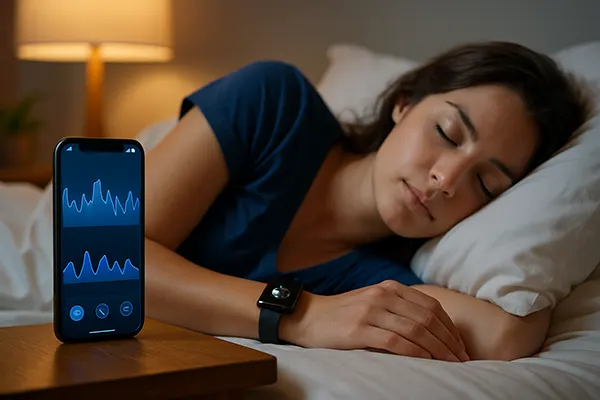
When selecting an app, it is essential to consider device compatibility and the type of data collected. iOS users tend to benefit from Pillow due to its deep integration with Apple Watch, while those using Android and Pixel Watch often see stronger results with Google Sleep. Cross-platform options like SleepScore and Sleep Cycle remain reliable choices for any smartphone.
Attention should also be given to privacy practices. High-accuracy monitoring relies on sensitive biometric data, making transparent data-handling policies an important requirement. Reputable applications provide clear explanations about storage, anonymisation and optional data sharing.
Finally, users should look for scientifically validated methodologies. Apps that publish their research partnerships or reference peer-reviewed evaluations tend to demonstrate stronger reliability. These details indicate that developers invest in evidence-based technology rather than surface-level tracking.
How to Evaluate Long-Term Effectiveness
Consistency across several weeks is one of the key indicators of a useful sleep-tracking tool. Even when nightly conditions vary, high-quality apps maintain stable classification patterns, allowing users to trust the trends presented in their dashboards.
User-friendly visualisation also matters. Clear, structured charts help users quickly understand their nightly performance without requiring specialised medical knowledge. Tools that highlight actionable metrics—such as restfulness, interruptions and recovery—tend to support better decision-making.
Assessing how well the app adapts to lifestyle changes is likewise important. Applications that update baselines automatically are more effective at capturing progress after adjusting routines, adopting new fitness habits or improving sleep hygiene.